
Scalp Acne: Causes, Symptoms and Treatment Options


Scalp acne can be uncomfortable, itchy and difficult to notice beneath the hair. It may appear as a few pimples near the hairline or as clusters of tender bumps across the scalp. These breakouts usually develop when hair follicles become blocked by oil, dead skin cells, sweat or product residue.
However, not every pimple-like bump is true acne. Folliculitis, seborrheic dermatitis, cysts and other scalp conditions can look similar. Persistent, painful or unusual symptoms should therefore be evaluated by a qualified healthcare professional.
What scalp acne looks like
Scalp acne may produce whiteheads, inflamed papules, pustules or deeper cyst-like bumps. The lesions can be skin-colored, red, brown, purple or darker than the surrounding skin, depending on the person’s skin tone and the degree of inflammation. Some people mainly notice itching or tenderness when brushing their hair, wearing a hat or resting their head on a pillow.
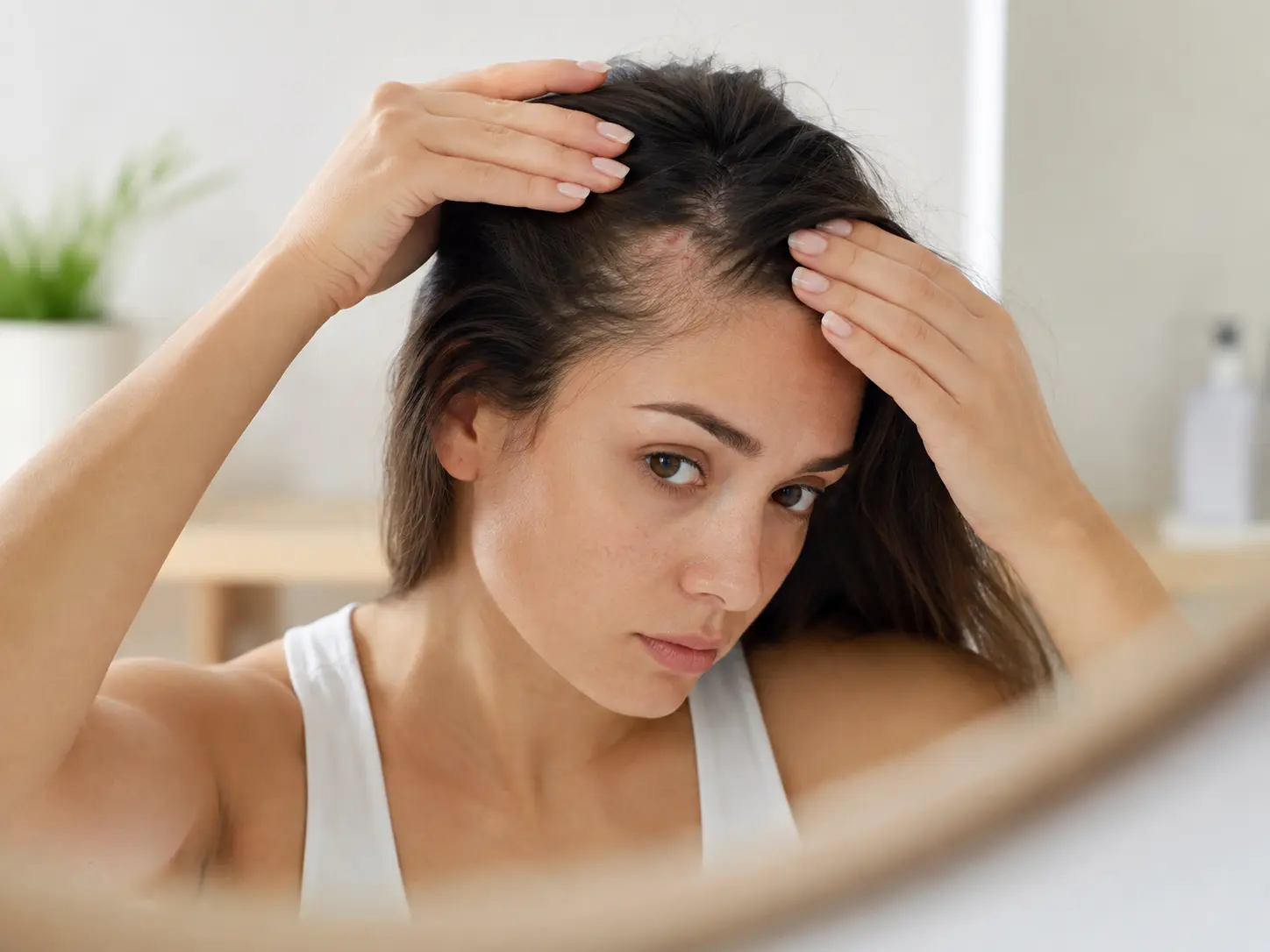
Mild cases often appear along the hairline, forehead, temples or back of the neck. More severe breakouts may involve painful swelling, crusting, drainage or temporary hair loss around inflamed areas. Because hair can hide the affected skin, checking the scalp in good lighting can make changes easier to recognize.
Acne versus scalp folliculitis
Acne develops when pores or hair follicles become clogged and inflamed. Scalp folliculitis is inflammation of the hair follicles and may be associated with bacteria, yeast, fungi, irritation or physical damage.
Folliculitis commonly appears as sudden clusters of similar-sized bumps centered around individual hairs. The affected area may itch, burn, feel sore or develop pus-filled spots that eventually break open and form crusts.
The two conditions can look nearly identical, and both may worsen with sweat, friction or oily products. A dermatologist may need to examine the scalp and occasionally test a sample to determine the cause. This distinction matters because regular acne treatments may not control bacterial or fungal folliculitis.
Hair products that may contribute
Pomades, oils, waxes, gels, leave-in conditioners and heavy styling creams can leave residue on the scalp and hairline. When oily ingredients clog follicles, they may cause tiny whiteheads and flesh-colored bumps. This type of product-related breakout is commonly known as acne cosmetica.
The forehead, temples, hairline and back of the neck are especially vulnerable because styling products frequently touch these areas. Shampoos, conditioners, sprays and shaving products may also contain oils or ingredients that leave residue.
Look for products labeled “oil-free,” “non-comedogenic,” “non-acnegenic” or “won’t clog pores.” If a product appears to trigger breakouts, discontinue it and allow time for improvement. Product-related acne may take four to six weeks to clear. Pillowcases, hats and headbands should also be washed regularly to remove residue.
Sweat, hats and helmets
Sweat does not automatically cause acne, but heat, moisture, pressure and friction can worsen breakouts. Tight hats, helmet liners, headbands and chin straps can trap sweat while repeatedly rubbing against the scalp.
This pattern is sometimes called acne mechanica. Its first signs may include small, rough bumps in the areas where equipment or fabric presses against the skin.
Choose well-fitting and ventilated headgear whenever possible. Clean removable helmet pads and wash hats regularly according to their care instructions. After exercising, working outdoors or completing an activity that leaves the scalp sweaty, remove damp headwear and wash or rinse the scalp as soon as practical. Avoid sharing hats, helmets, combs or towels, particularly when bumps are crusted or draining.
How often to wash the scalp
There is no single washing schedule that works for every hair and scalp type. A practical rule is to wash the scalp when it becomes noticeably oily, dirty or sweaty.
People with oily scalps or frequent exercise routines may benefit from daily washing. Those with dry, curly or tightly coiled hair may require a less frequent routine to prevent excessive dryness and hair breakage.
Apply shampoo mainly to the scalp and massage gently with the fingertips instead of scratching with the nails. Rinse thoroughly so shampoo, conditioner and styling products do not remain around the follicles. Washing after heavy sweating and preventing several days of product buildup may help reduce clogged follicles.
Ingredients used in scalp products
Salicylic acid helps remove dead skin cells and open clogged pores, making it useful for whiteheads and small pimples. Benzoyl peroxide reduces acne-related bacteria and may help control inflammatory bumps. However, it can irritate sensitive skin and should always be used according to the product instructions or a dermatologist’s advice.
Anti-dandruff or antifungal shampoos containing ketoconazole, ciclopirox or selenium sulfide may be recommended when yeast, dandruff or seborrheic dermatitis contributes to scalp symptoms. These ingredients do not treat every form of scalp acne or folliculitis.
For persistent or severe cases, prescription treatment may include topical or oral antibiotics, retinoids, antifungal medication or isotretinoin. The correct option depends on the diagnosis, severity, medical history and risk of scarring.
Mistakes to avoid
Do not squeeze, scratch, cut or puncture scalp bumps. Manipulating the lesions can increase inflammation, bleeding, infection, discoloration and scarring.
Harsh scrubs, undiluted essential oils, toothpaste and alcohol-based home remedies may irritate the scalp without addressing the underlying cause. Combining several strong active ingredients at the same time can also produce dryness, burning or a damaged skin barrier.
Another common mistake is changing products every few days. Most acne treatments require consistent use for several weeks before meaningful improvement becomes visible. Introduce one change at a time, follow label directions and discontinue any product that causes significant burning, swelling, blistering or a spreading rash.
When to see a dermatologist
Schedule a dermatology appointment when scalp bumps are painful, widespread, recurrent or do not improve after approximately six weeks of careful home management. Professional care is also recommended when there are deep lumps, scars, bald patches, persistent crusting or drainage.
Seek prompt medical attention if redness or pain spreads quickly, or if symptoms occur with fever, chills or a general feeling of illness. These signs may indicate a spreading infection that requires medical treatment.
 Nuevo
NuevoTop 6 foods to prevent acne
🥗✨ Top 6 foods to help prevent acne, discover skin-friendly nutrition and support a clearer, healthier complexion.
A dermatologist can distinguish acne from folliculitis, seborrheic dermatitis and other scalp conditions. The specialist can also identify possible product or medication triggers and create a treatment plan that protects both the scalp and the hair. Early evaluation is especially important when inflammation is severe because deep or untreated follicle conditions may sometimes cause permanent scarring or hair loss.
Leave a Reply